

Imposter syndrome. The crash after the album drops or the show comes down. The quiet question of what it's all for when the work isn't received the way you hoped.
Therapy for artists, musicians, filmmakers, writers, and other creatives who feel like a fraud, feel empty after a release, or are questioning their purpose. In person at our Fayetteville, GA office with Daniel Bashta, CIT, supervised by Adam Glendye, LPC, CPCS, using The Pursuit's Human Flourishing framework.
Daniel Bashta, CIT, supervised by Adam Glendye, LPC, CPCS · Free 15-minute consult
Most of the artists and musicians who walk into our office aren't starting from zero. They've shipped the work. They've been on the stage, in the studio, on the set, or at the opening. And still, something in them is asking a harder question than how to make the next thing.
If more than one of these landed, you're not failing as an artist. You're carrying a load that counseling can help you set down and look at honestly.
Imposter syndrome in creative lives often doesn't look like a lack of talent. It looks like discounting the album, the show, the credit, or the yes you already got. It looks like over-preparing, over-producing, or going quiet because if you don't try as hard this time, maybe no one will notice you were never as good as they thought.
Therapy for artists and musicians can be a place to examine that story without having to perform your way out of it. Together we look at where the "I don't belong here" belief came from, what it protects you from feeling, and how it gets tangled with perfectionism, comparison, and the pressure to keep earning your place.
A release, an opening, a premiere, or the last night of a tour can leave a surprising silence. The work is finally out of your hands, the adrenaline drops, and what's left can feel like emptiness, irritability, anxiety, or a crash that doesn't match the moment everyone else is congratulating you for. Some creatives call this post-release depression or a post-show low.
That crash doesn't mean you chose the wrong life, and it doesn't mean you're ungrateful. Counseling gives you room to talk about the come-down, the sudden loss of structure, the fear of what comes next, and the gap between how the moment was supposed to feel and how it actually feels. We won't tell you it will lift on a timetable. We will help you take it seriously and not go through it alone.
Creatives often question their purpose when a project doesn't land: the streams don't come, the reviews are mixed, the gallery is empty, a collaborator moves on, or even a "success" still doesn't feel like it was received the way you meant it. It can shake the reason you make things at all.
This is where The Pursuit's Human Flourishing work becomes practical. Happiness asks, "Does this feel good?" Meaning asks, "Is this worth doing?" Counseling is a place to look at that second question honestly: what you want to keep making, what you need to release, and who you are when the work is not being applauded. The goal is not a guaranteed better reception next time. It is a more honest relationship with your purpose, your craft, and yourself.
High-functioning creatives get very good at producing, performing, and holding it together. That can look like a career from the outside and still feel like survival on the inside. At The Pursuit, we talk about a continuum many people recognize in themselves:
Flourishing is not perfection, constant happiness, or having every area of life figured out. It is the ongoing work of building a life that increasingly reflects your values, relationships, purpose, health, and the person you want to become, even when life is difficult, and even when the last project didn't land the way you hoped.
Counseling here starts from a different question than "What's wrong with you?" It asks, "What would help you build a life in which you can flourish?"
Daniel's work with creatives is shaped by The Pursuit of Flourishing, a framework our practice has developed for moving from functioning to a more honest, sustainable life. In counseling, we use it as a map, not a test to pass. Profiles are often uneven: you can be thriving in the work and struggling in relationships, or deep in meaning while your body is running on empty.
Recognizing what you feel, and having ways to live with anxiety, grief, anger, or emptiness without being run by them.
Being known, not only admired or needed. Honest communication, boundaries, and people you can turn to.
What is actually worth making and living for, especially when the work isn't received the way you hoped.
Ambition without being consumed by it. Rest without guilt. A self that is larger than the last release.
Sleep, energy, stress in the body, and rhythms of work and recovery that can actually last.
How you move through a hard season, a quiet release, or a setback without losing yourself.
Stillness, faith, or reflection, in whatever language is true for you, that isn't only a performance.
Whether you feel present in your life, and whether it looks like the person you want to become.
When your work comes from you, it can be difficult to separate what you make from who you are. Counseling with Daniel is a place to slow down, tell the truth about what hurts, and get curious about the stories that have been running the show: I'm a fraud. I only matter when I'm producing. If this project doesn't land, I don't know who I am.
Daniel draws especially from narrative therapy: the person is not the problem; the problem is the problem. The work is about examining where those stories came from, separating your identity from the crisis of the last release, and remembering experiences that don't fit the narrow version of you. He also draws from existential and person-centered approaches, with attention to meaning, creativity, spirituality, relationships, and what it means to live a flourishing life.
This is not a promise that the next album, show, or season will feel easier. It is a chance to build a more honest relationship with your work and with yourself, and to leave with clearer next steps than "just make another thing."
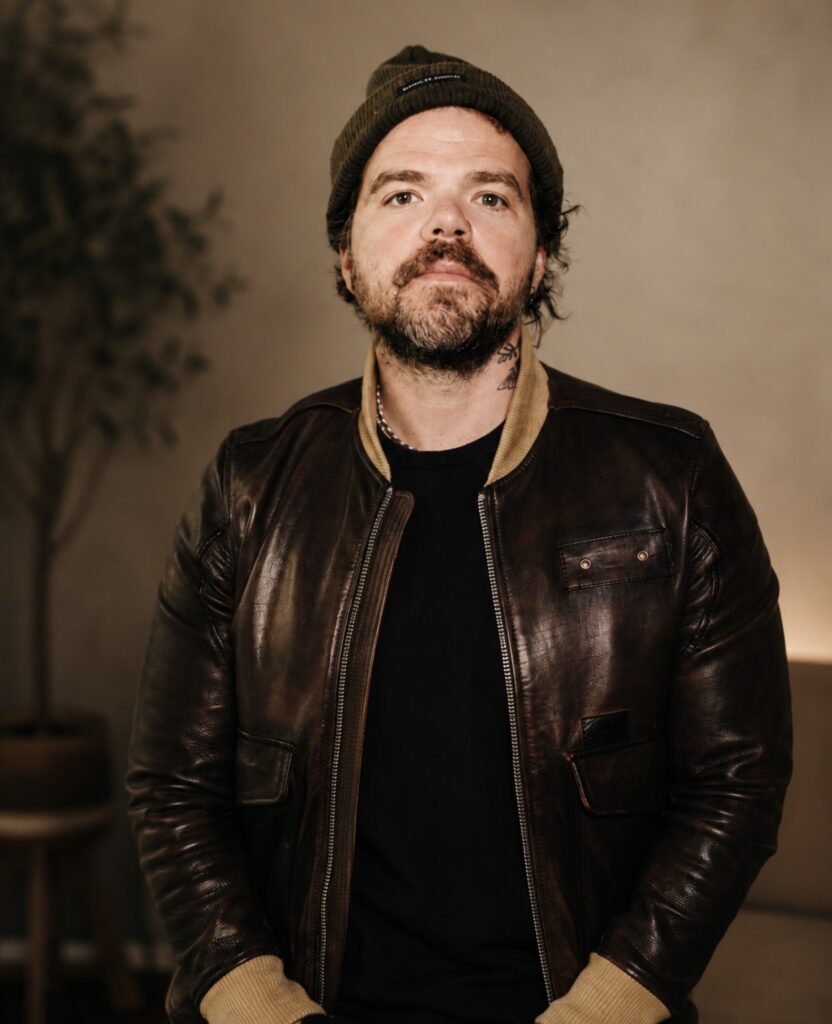
Most of the creatives we work with come to our Fayetteville office, a short drive from Peachtree City, Tyrone, Newnan, Senoia, Sharpsburg, and the creative community around Trilith. There's something about sitting across from a real person, in a quiet room, that makes it easier to talk about the work and the life around it.
Your first step is a free 15-minute consult with Daniel. You'll talk about what's going on and what you're hoping for, and you can decide whether working together feels like the right next step. From there, sessions are built around your goals.
When you can't make the drive, secure telehealth is available anywhere in Georgia. We are licensed in Georgia only, so we cannot see clients who are located outside the state.
Yes. The Pursuit Counseling in Fayetteville, GA, offers in-person therapy for artists, musicians, filmmakers, writers, designers, and other creatives, with Daniel Bashta, CIT, supervised by Adam Glendye, LPC, CPCS. People often come in for imposter syndrome, the low after an album release or art show, creative burnout, or questions about purpose when their work is not received the way they hoped.
Yes. Imposter syndrome is one of the most common reasons artists and musicians come to counseling: the feeling that you do not belong, that the work was a fluke, or that you will be found out, even after a release, a show, or a credit that looks like success from the outside. Daniel Bashta, CIT, supervised by Adam Glendye, LPC, CPCS, works with creatives on that pattern in person at our Fayetteville office, with telehealth available anywhere in Georgia.
After an album drops, a show opens, a film premieres, or a tour ends, many creatives feel empty, flat, anxious, or lost, even when the work went well. People sometimes call this post-release depression or a post-show crash. It is a common experience, not a sign that you are ungrateful or finished as an artist. Counseling can give you a place to talk about what the work meant, what the silence afterward brings up, and what you want next. It is not a promise that the low will lift on a set timeline.
That question sits at the center of a lot of creative lives: a quiet release, mixed reviews, an audience that did not show, or success that still does not feel like it landed. Counseling is a place to look at purpose, identity, and what you want to keep making, without having to perform the story for anyone. At The Pursuit, that work is framed as human flourishing: helping you build a life that reflects your values and the person you want to become, not only the response to the last project.
Yes. Creative burnout can look like dread of the studio, resentment of work you used to love, exhaustion that rest does not fix, or the sense that you are only as good as the next deliverable. Daniel Bashta, CIT, supervised by Adam Glendye, LPC, CPCS, works with artists and musicians on creative burnout in person in Fayetteville, GA, with secure telehealth for clients located in Georgia.
Daniel Bashta, CIT, is the practice's specialist for creatives, artists, and people in addiction recovery. He is a Counselor in Training, pursuing his master's degree in Mental Health Counseling at Asbury Theological Seminary, and he provides counseling under the direction and supervision of Adam Glendye, LPC, CPCS. A free 15-minute consult is the first step. You can book with Daniel online or call (404) 666-6721.
Most clients meet in person at our Fayetteville, GA office, at 205 Brandywine Blvd, Suite A, a short drive from Peachtree City, Tyrone, Newnan, Senoia, and Sharpsburg, and from the creative community around Trilith. Secure telehealth is available for clients located in Georgia. We are licensed in Georgia only and cannot see clients who are located outside the state.
You can book a free consult with Daniel Bashta, CIT, online, or call (404) 666-6721. If you are not sure he is the right fit, start on our Start My Pursuit page and we will help match you with the right counselor.
Essays and guides from our journal on human flourishing, feeling stuck, imposter syndrome, burnout, and recovery.

How narrative therapy looks in session for musicians, filmmakers, writers, and other creative professionals.
Read the article
Why counseling can be about more than symptoms: moving from surviving and functioning toward a life with meaning and connection.
Read the article
What to do with the feelings that show up when your creativity stalls.
Read the article
A film and TV producer's story of finding a way back to creativity when anxiety and the gig economy took over.
Read the article
Practical, research-informed ways to work with impostor syndrome when it starts steering your decisions.
Read the article
When the goals are met and life still feels flat, and how to tell burnout from something deeper.
Read the article
How perfectionism feeds burnout, and clinician-tested ways to recover.
Read the article
What feeling stuck can mean, when counseling is a good next step, and what a first session is like.
Read the article
Counseling for high-achieving professionals in Georgia whose drinking has become the way they turn their minds off.
Read the articleStart with a free 15-minute consult with Daniel Bashta, CIT, at our Fayetteville office, or begin on our Start My Pursuit page and we'll help you find the right fit.
Book a free consult with Daniel →Free 15-minute consult · No commitment · Daniel Bashta, CIT, supervised by Adam Glendye, LPC, CPCS · Start my pursuit · Meet Daniel