


You know what to do. You can explain the plan to anyone else. Then Tuesday arrives, the task sits untouched, and the gap between knowing and doing starts to feel like a character flaw. It isn’t one. Executive function coaching targets that gap with systems, routines and accountability. Executive functioning therapy goes after what keeps the gap open: attention differences, anxiety, burnout, old stress. Many complicated, high-performing adults need some of both, and we work on this at The Pursuit Counseling through ADHD-focused treatment and individual therapy, in Fayetteville and online across Georgia.
Key Takeaways
- Executive function coaching is practical and present-focused: planning systems, task initiation, time management, routines and follow-through.
- Therapy overlaps with coaching in method but spends more time on the symptoms and the emotional load underneath the stuck points.
- Coaching is usually paid out of pocket and sold in packages. Therapy is often insurance-eligible, though our practice is private-pay.
- Reading about executive function is education. Only a clinician can assess whether ADHD or another condition is involved.
- If you are a pilot, founder, executive, or a mom running a household on willpower alone, the first step is a conversation about what is actually breaking down.
Table of Contents
- What executive function coaching actually is
- The seven skills people usually mean
- Coaching versus therapy: where the line sits
- Education is not assessment
- Who tends to benefit
- What it costs
- How to choose well
- How we work with executive function
- Perspective
- A next step that matches where you are
- FAQ
- Sources
What executive function coaching actually is
Executive functions are the mental skills that run daily life. The National Board for Executive Function Coaching describes them as planning, organization, time management, task initiation, working memory and emotional regulation. A coach works one-to-one to find where those skills break down, then teaches concrete strategies: scheduling systems, breaking large tasks into steps, environmental supports, and follow-through.
The same source calls it action-oriented and present-focused, built on systems and habits rather than processing the past. That is its strength. If your calendar, inbox and project list are chaos, a structure helps quickly.
The Attention Deficit Disorder Association adds that coaches are not trained in the medical model. They help clients use strengths to reach goals and build systems that adjust for working-memory gaps, from customized document templates to how a workspace is arranged.
The seven skills people usually mean
There is no single official list of seven. Researchers group executive function differently. The Center on the Developing Child at Harvard names three core categories: inhibitory control, working memory and mental flexibility. Coaching and clinical writing split those into more everyday terms. A working seven looks like this:
| Skill | What it looks like on a real day |
|---|---|
| Planning and prioritizing | You have forty things to do and cannot tell which matters first |
| Organization | Papers, files and commitments scatter faster than you can gather them |
| Time management | “Ten minutes” is always forty, and you are late again |
| Task initiation | You sit down to start and find yourself doing anything else |
| Working memory | You walk into a room and lose the reason, or lose the thread mid-conversation |
| Emotional regulation | Frustration or dread hijacks the next hour |
| Flexibility and impulse control | A plan changes and you stall, or you act before you have thought |
None of this is laziness. It is how a particular brain handles load, and the load of a founder, a pilot with checklists and medical paperwork, or a mother managing three schedules is heavy.
Coaching versus therapy: where the line sits
The overlap is real. The ADDA notes that coaches and therapists both draw on cognitive behavioral techniques and motivational interviewing. The difference is emphasis. Coaches take a collaborative, skills-building focus. Therapists spend more time on reducing symptoms, and psychotherapists can also help you find tools for managing tasks.
A simple way to feel the difference:
- “I need a system.” You are structurally disorganized and otherwise steady. Coaching-style work fits.
- “I have a system and I still can’t use it.” The systems keep collapsing, often because of ADHD patterns, anxiety, perfectionism, exhaustion or something older. That is where therapy earns its place.
- “I am functioning, but I’m running on fumes.” Burnout looks like an executive function problem from the outside. Rebuilding your calendar will not fix a nervous system that has been in the pain cave for years.
Most of the people who find us are in the second or third group. They have already read the books, bought the planners and tried the apps. What they have not had is someone who looks at why the plan doesn’t survive contact with their life.

Education is not assessment
This article, and any list of symptoms online, is education. It can help you name what you’re experiencing. It cannot tell you whether you have ADHD, an anxiety disorder, depression, a trauma response, or simply too much on your plate. Those look alike from the outside and need different responses.
An assessment is a clinical process, with a licensed professional, that looks at history, current functioning and other explanations. If you want clarity, ask for that directly. We also work with adults who want support with attention and follow-through before, or without, pursuing a formal diagnosis, and we say so plainly on our ADHD treatment page for Georgia leaders.
Pilots have an added reason to be careful. FAA certification has its own rules around ADHD and medication, and decisions made casually can have consequences for your medical certificate. Our piece on ADHD and FAA certification covers what we can speak to, and your Aviation Medical Examiner is the authority on certification itself.
Who tends to benefit
The people searching this phrase are rarely struggling with ability. They are:
- Women with ADHD who spent decades masking, compensating and over-preparing, and now feel the system giving way, often around career peaks, parenthood or perimenopause.
- Founders and business owners whose anxiety shows up as avoidance of the one task that matters most.
- Executives whose calendars are full and whose follow-through on the quiet, important work is slipping.
- Busy moms who hold the whole household’s memory in their heads.
- Creatives who can produce brilliant work in a burst and then cannot start the next thing on a Monday.
- Teen athletes (with a parent involved) who manage discipline on the field and lose it with homework and sleep.
If you see yourself here, our guides on executive function skills for adults, ADHD procrastination and missing deadlines with ADHD go deeper on the daily mechanics. If you like structure in short cycles, we also wrote about why the 12 week year suits ADHD brains.
What it costs
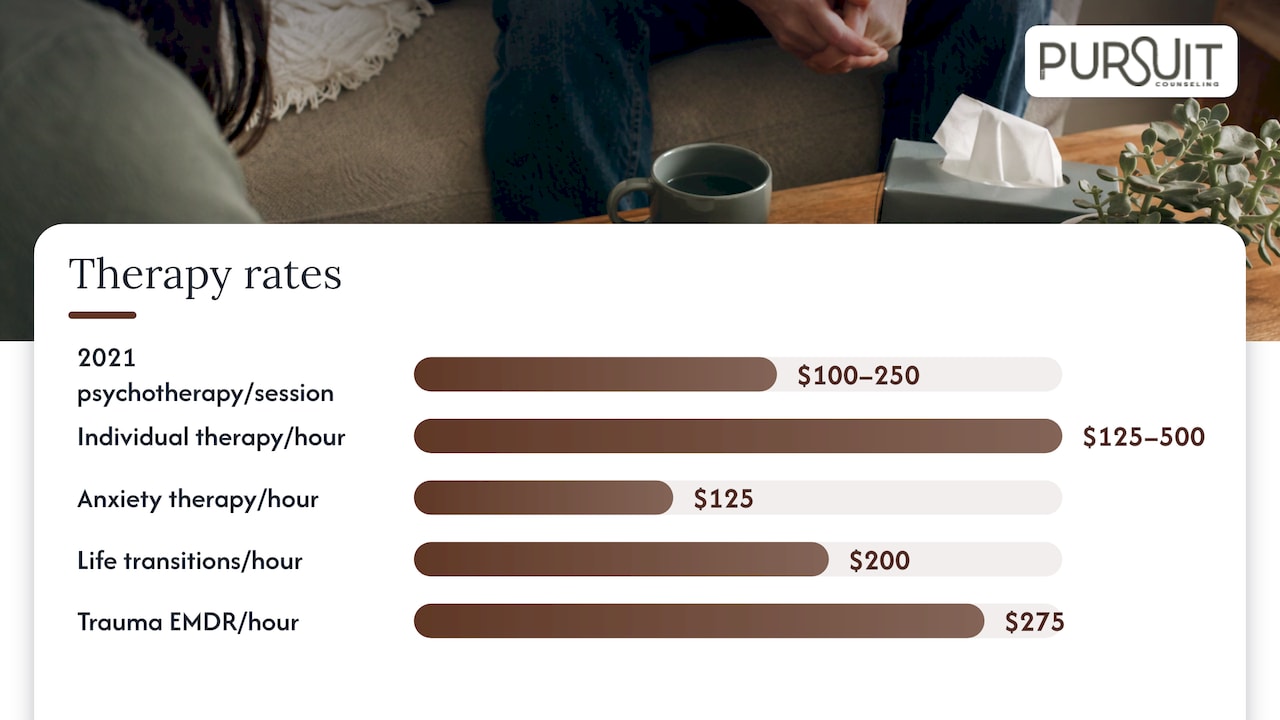
Costs depend on the clinician, the type and length of session, and your insurance or out-of-network benefits. Contact us for current rates and what your plan may cover, or ask during a free 15-minute consult.
Pricing varies, and the payment route is part of the decision. The ADDA reports that coaches often sell packages of 3 to 20 sessions, priced from a few hundred to a few thousand dollars, and that most insurance does not cover coaching, though an FSA or HSA may work. Those are national figures from that year, so use them as a frame, not a quote.
The Executive Experience is a $9,950 one-off program for leaders who want concentrated time, and a $99 brain map is also listed on our site. Other fees are shared in a free 15-minute consult. You can see the current Executive Experience details on our Executive Experience page. We are private-pay, which means you are choosing the work, not whatever a plan’s billing codes allow.
If you are a Medicare-age reader looking after your own or a parent’s mental health costs, this overview of Medicare mental health coverage explains how the 20% coinsurance works.
How to choose well
Whatever you decide, a few questions sharpen the choice:
- What exactly is breaking down? Write three specific examples from this month. “I can’t start proposals” is more useful than “I’m disorganized.”
- Is anything underneath it? Chronic worry, poor sleep, irritability, a history of trauma or heavy stress point toward a clinical conversation.
- What credentials sit behind the person? Licensure matters when the question is clinical. For coaching, ask what training and structure they use.
- Does the format fit your life? Online sessions work for a founder between flights. Some people think better walking a trail or standing near a horse, which is why we offer adventure therapy.
- What will you do between sessions? Skills are built in the week, not the hour.
How we work with executive function
We treat executive function as a lived pattern, not a worksheet. For ADHD-focused clients, we combine evidence-based therapy with practical skill building, and for some we offer a neurofeedback brain map as one part of the picture. We have written openly about what the evidence on neurofeedback says, because we would rather you decide with clear eyes. Our Executive Experience is built for leaders who want concentrated, personal work rather than one hour a week squeezed between meetings.
No one can promise an outcome here, and we won’t. What we can offer is attention to the whole person: the patterns, the pressure, and the strengths that got you this far.
Perspective
We meet a lot of people who have been told, in one way or another, to try harder. They have. Many of them are the most disciplined people in their field: pilots, founders, surgeons’ spouses, mothers holding a dozen threads. Effort was never the missing piece.
What we see over and over is that a system is only as good as the person’s capacity to use it on a bad day. If shame, anxiety or exhaustion is in the room, a perfect planner still sits in the drawer. So we start with the person. Where is the pain cave? Where are the cracks? What is the pattern doing for you, and what is it costing you?
Then we get practical. Smaller starts, clearer cues, an environment that carries some of the weight. Skills and understanding together, because one without the other tends to fade.
That is why we offer this work as therapy, intensives and experiential sessions, not as a one-size program. Complicated people deserve a plan that fits them.
Adam Glendye LPC, CPCS
A next step that matches where you are
If your problem is one stubborn pattern, a conversation about ADHD-focused therapy is a sensible start. If your whole life feels overloaded, an intensive or our Executive Experience gives you room to look at all of it. We offer in-person sessions in Fayetteville and online sessions for people across Georgia, including Peachtree City, Senoia, Tyrone and South Atlanta.

Tell us what is breaking down and we will tell you honestly which of our options fits. Start on our ADHD program page or reach us through thepursuitcounseling.com.
FAQ
What does an executive function coach do?
A coach works with you one-to-one to find where planning, organization, time management, task initiation or emotional regulation falls apart. Then they help you build routines, schedules and supports, and keep you accountable for using them. The work is practical and focused on the present.
How is executive functioning therapy different?
The methods overlap, but therapy spends more time on symptoms and what drives them, such as ADHD, anxiety or burnout. It is delivered by a licensed clinician, who can also assess what is going on. If your systems keep failing despite real effort, therapy addresses the reason.
How much does executive function coaching cost?
Costs depend on the clinician, the type and length of session, and your insurance or out-of-network benefits. Contact us for current rates and what your plan may cover, or ask during a free 15-minute consult.
Coaches often sell packages of several sessions, with totals ranging from a few hundred to a few thousand dollars, and insurance rarely covers it. The Executive Experience is $9,950. Current details are on our Executive Experience page. Other fees are shared in a free 15-minute consult.
Do I need an ADHD diagnosis first?
Not to begin talking with us. A diagnosis is a clinical determination and not something an article or a quiz can give you. If you want that answer, we can discuss what an assessment involves and what other support makes sense in the meantime.
Sources
- National Board for Executive Function Coaching: Executive Function Coaching Certification
- Attention Deficit Disorder Association: So Many Professionals! Who Does What?
- Center on the Developing Child at Harvard University: Building Core Capabilities for Life
- Medicare mental health coverage and 20% coinsurance