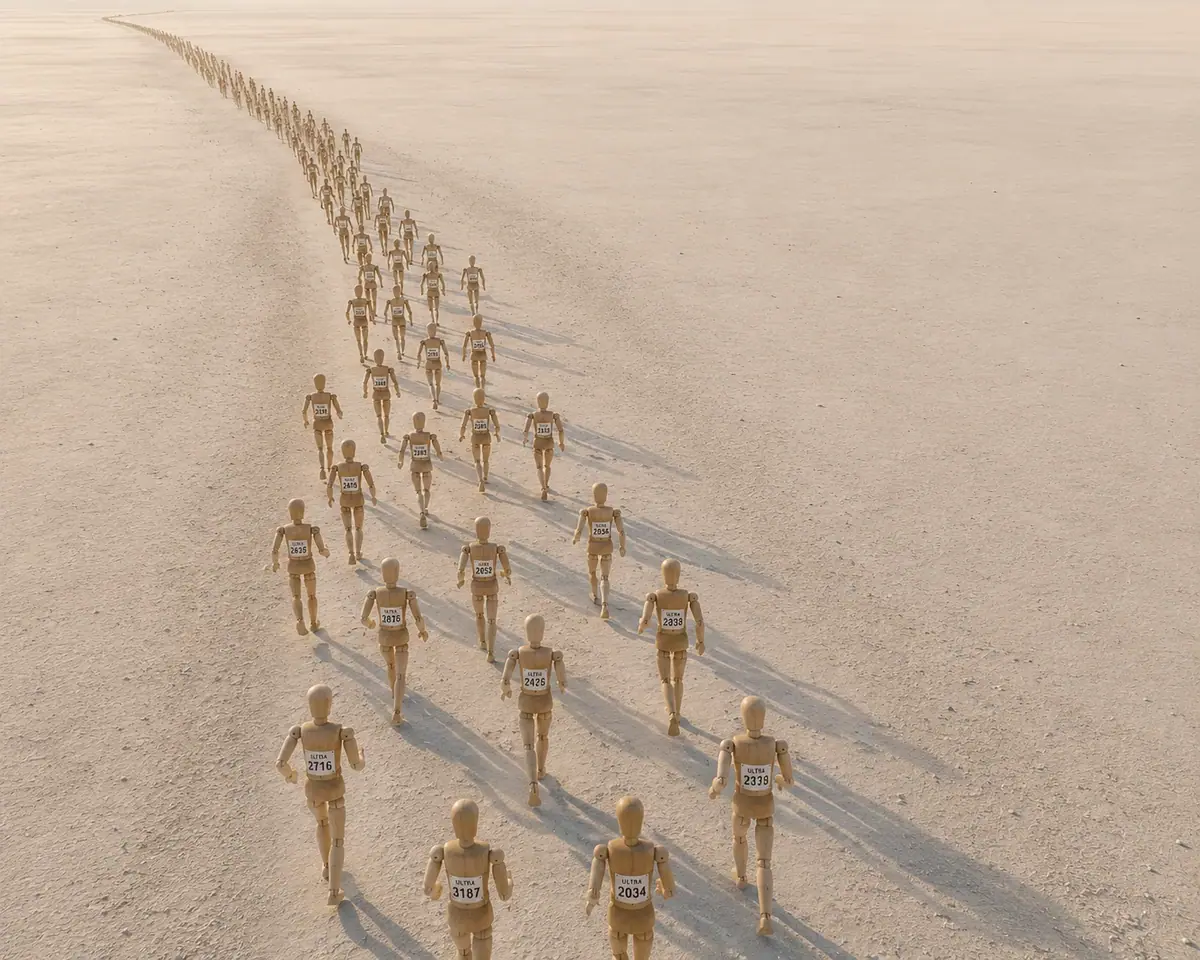
Being a successful athlete is a pursuit. Results take years to realize in training, and mental fitness matters just as much as physical fitness.
Counseling and mental performance work for athletes who feel the pressure, are coming back from a setback, are losing the love of the sport, or are wondering who they are beyond it. In person at our Fayetteville, GA office with counselors who have played, trained, and raced themselves, and online anywhere in Georgia.
Free 15-minute consult · Teens 14+ and adults · Licensed in Georgia only
Most athletes who walk into our office aren't starting from zero. They've put in the early mornings, the long runs, the practices, the lifts, and the seasons. And still, something between the ears is holding them back or wearing them down.
If more than one of these landed, you're not weak or soft. Mental fitness is a skill, and like any skill, it can be trained.
Our team has played college volleyball and college baseball, run ultramarathons through the mountains, and kept showing up in the gym and on the roads for years. We know what it is to train for something that won't pay off for a long time, and what it costs when your head isn't in it.
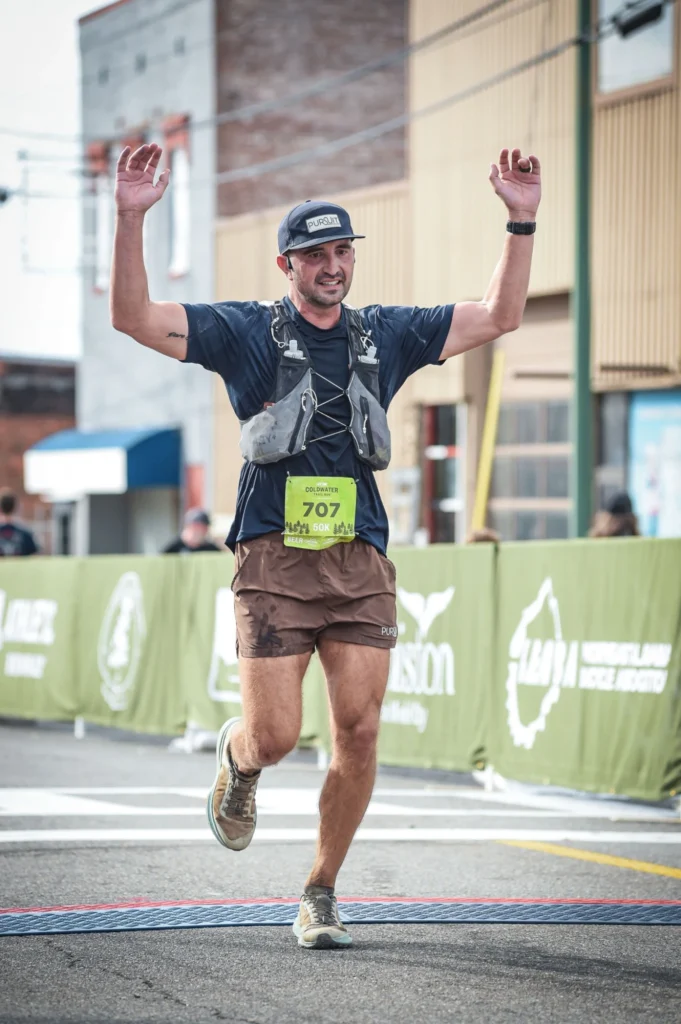
Adam is in the middle of it right now. As he builds toward his first 100-miler, the time training takes and the way it can shape who you are aren't abstract ideas. He's working through them in his own training.
Being a successful athlete is a pursuit. Results take years to realize in training. Adam puts it this way: motivation is emotional, but mental fitness is trained. On the hard stretch of a long race, motivation is gone. What keeps you moving are the mental muscles you've built: discipline, self-talk, emotional regulation, and the ability to make small moves when everything feels overwhelming. (Read Adam on mental fitness.)
We use the same systems from our clinical work to help ourselves and our clients perform our best in our sports. The goal isn't to make you less competitive. It is to help you stay healthy while you keep competing.
At mile 37 of his first 50-mile race, the Mount Mitchell Heartbreaker in March 2026, Adam noticed something he didn't expect: quitting started to sound reasonable. Not dramatic. Just reasonable. "You've already done enough." "You don't have anything to prove." Every athlete knows some version of that negotiation, whether it shows up at mile 37, in the fourth set, or with two strikes in the bottom of the ninth. (Read the race story.)
In counseling we slow that moment down. We look at what your internal dialogue sounds like under pressure, where those lines came from, and how to respond to them instead of obeying them. That can include breathing and grounding skills, mental rehearsal, and rewriting the stories that tighten you up before you ever step on the court, the field, or the start line.
About 16 miles into a 33.5-mile mountain ultra, Adam broke his toe on a rock. There was no quick way off the mountain, so he hobbled the last 18 miles and dropped from 15th place to 75th. What he remembers most is the runners who slowed down and ran with him. The lesson he brings into the counseling room: let someone see the limp. (Read The Pursuit Is Better Together.)
Injuries, DNFs, getting cut, or losing a season can bring grief, fear of re-injury, frustration, and a lot of questions about who you are. Counseling is a place to work through those, reframe the setback, and rebuild patience and adaptability. It works alongside your physician, physical therapist, and coach. We don't diagnose or treat physical injuries.
The qualities that make athletes successful can become liabilities everywhere else: perfectionism, self-criticism, trouble resting, an identity built on achievement, and avoiding hard feelings by training more. These patterns don't disappear because someone is fit. Sometimes they get louder.
Whether the season just ended, college sports are behind you, or you're an adult whose training has become the main place you feel competent, counseling helps you build an identity that can survive a bad day in your sport. Adam also works with athletes on career and vocational transitions, including life after competing.
When Adam served as a pacer at the Rotary Peachtree City Half Marathon, his job wasn't to run fast. It was to be the most consistent person on the course: hold the plan, stay calm when effort climbs, and break the race into the next mile and the next aid station. In his words, most people don't need someone pushing them harder. They need someone who will run alongside them, hold the plan, and stay steady when things get uncomfortable. (Read What It Means to Be a Pacer.)
Burnout in athletes often doesn't look like laziness. It looks like numbness, irritability, losing the joy, overtraining, or feeling disconnected from your own goals. Counseling helps you recognize your limits before you crash, rest without guilt, reconnect with why you started, and get through a plateau without making it a verdict on your worth.
These are the frameworks Adam and our team use with clients and in our own training. In counseling, we fit them to your sport, your season, and your life.
Narrative therapy looks at the stories you carry, like "I always fold under pressure" or "I quit when it gets hard," and the moments that don't fit them. Every time you keep going when you thought you couldn't, the story can shift.
"I'll try" leaves an escape hatch. "I will" ties you to behaviors you control. As Adam says, the race is the celebration of the work put in to prepare for it. (More on I will)
Weekly action goals keep you consistent, 90-day goals build capacity, and a long-term vision gives the grind meaning. Without the first you drift, without the second you stall, and without the third you burn out. (The three-tier system)
In endurance sports, stress is information. We practice asking: What is this telling me? What story am I telling myself? What's in my control right now? Stress becomes a signal, not a verdict.
Don't start too fast. Build the base. Rest is part of the plan, not a reward for finishing it. Regulation, not just effort, is what lets you train for years.
Strength isn't only endurance. It's connection. Teammates, coaches, family, and a counselor can carry belief when you can't, and community shows up when you're honest about the struggle.
Counseling for athletes at The Pursuit is a confidential place to work on what shows up in training and competition and in the life around it. Your sport affects your relationships, your relationships affect your training, and your training affects your confidence. We work with the whole person, not just the box score.
Depending on what you bring in and who you work with, that can include narrative therapy, goal-setting and self-talk work, stress and emotional regulation skills, and, for athletes carrying an injury, a crash, or a moment that keeps replaying, EMDR with Adam or Erika. This is not a promise of a faster time, a starting spot, or a scholarship. It is a chance to build the mental side of your training with the same intention you bring to the physical side.
The Pursuit Counseling is a group practice in Fayetteville, GA. Each counselor brings a different sport and a different clinical strength, and a free consult helps us match you with the right one.
Katie played college volleyball, and her background in wellness and exercise science shapes how she connects body and mind. She lists athletes and performance wellness among her specialties, along with anxiety, stress, and life transitions. Supervised by Adam Glendye, LPC, CPCS.
Jason played college baseball, a sport where even great hitters fail most of the time. He brings more than 25 years of walking with people through hard seasons, with a focus on grief and loss, depression and anxiety, addiction, and family and relationships.
Erika is committed to consistency in the gym and on the roads. She works with adolescents 14 and up and adults, is trained in DBT and EMDR, and focuses on trauma, anxiety, mood, and life transitions.
Daniel Bashta, CIT, supervised by Adam Glendye, LPC, CPCS, is committed to consistency in the gym and on the roads. He draws from narrative therapy and works with people whose identity is tightly wound up with what they do, as well as people in recovery.
Most of the athletes we work with come to our Fayetteville office, a short drive from Peachtree City, Tyrone, Newnan, Senoia, and Sharpsburg. Early-morning appointments start at 7:00 AM, before school, work, or practice gets going.
Your first step is a free 15-minute consult. You'll talk about your sport, what's getting in the way, and what you're hoping for, and you can decide whether working together feels like the right next step. From there, sessions are built around your goals and your season.
When you can't make the drive, secure telehealth is available anywhere in Georgia. We are licensed in Georgia only, so we cannot see clients who are located outside the state.
Yes. The Pursuit Counseling in Fayetteville, GA, offers counseling for athletes from a team of counselors who are athletes themselves: Katie Huggins, APC, played college volleyball; Jason Collins, LPC, played college baseball; Adam Glendye, LPC, CPCS, is an ultramarathon runner; and Daniel Bashta, CIT, supervised by Adam Glendye, LPC, CPCS, and Erika Stoll, LPC, train consistently in the gym and on the roads. Athletes come in for pressure, setbacks and injury, identity beyond the sport, burnout, consistency, and plateaus.
No. Psychologist is a protected title for licensed psychologists, and our team are licensed professional counselors (LPC), an associate professional counselor (APC), and a counselor in training (CIT). We offer counseling and mental performance work for athletes, grounded in clinical training and in our own years of training and competing. If you need a licensed psychologist, for example for psychological testing, we are glad to help you find a referral.
Common themes include pressure and performance anxiety, negative self-talk, coming back from an injury or a bad race, a DNF or a lost season, burnout or losing the love of the sport, staying consistent when motivation fades, plateaus, perfectionism, and figuring out who you are beyond the sport. Because life isn't divided into compartments, we also look at how training, work, school, family, and relationships affect each other.
No. We work with high school athletes 14 and up, college athletes, former athletes navigating life after the sport, and adults who train seriously, including runners, ultrarunners, lifters, and people chasing a personal goal. If your sport is a pursuit you care about, mental fitness matters for you.
Counseling at The Pursuit Counseling is for teens 14 and up and adults. For kids under 14, we offer neurofeedback and brain maps only, through The Pursuit Neurofeedback in the same Fayetteville office. Parents of athletes of any age can also come in for their own support.
Counseling can be a place to work through the frustration, fear, and identity questions that often come with an injury, a DNF, or a season that didn't go the way you planned, and to rebuild a steadier relationship with training. We don't diagnose or treat physical injuries, so counseling works alongside the guidance of your physician, physical therapist, and coach, not in place of it.
No. Your coach owns your training plan. Counseling is a confidential place to work on the thoughts, emotions, stories, and life stressors that show up in training and competition. Many athletes find the two work well side by side.
Most athletes meet with us in person at our Fayetteville office, a short drive from Peachtree City, Tyrone, Newnan, Senoia, and Sharpsburg. Secure telehealth is available for clients located anywhere in Georgia. We are licensed in Georgia only, so we cannot see clients who are located outside the state.
Book a free 15-minute consult through Start My Pursuit, call (404) 666-6721, or book a free consult directly with the counselor you'd like to meet. You'll talk through what's going on in your sport and your life, and we'll help you find the right fit. No pressure and no commitment.
Essays from Adam and our team on mental fitness, endurance, and the pursuit. More from Adam: What I Continue to Learn About Me · Who Do You Become When Life Gets Hard? · Why Running Helps

A first 5K, triathlon, HYROX, or ultra at 40, 50, or 60+, and how to use what work, family, and hard seasons already taught you.
Read the article
For surgeons, attorneys, and founders who race, an injury can take away identity and the main stress outlet at once.
Read the article
Steady at work but tight at the start line? Race-day nerves, perfectionism, and the Strava data trap.
Read the article
When work stress and training stress come out of the same tank, and how to recover without quitting.
Read the article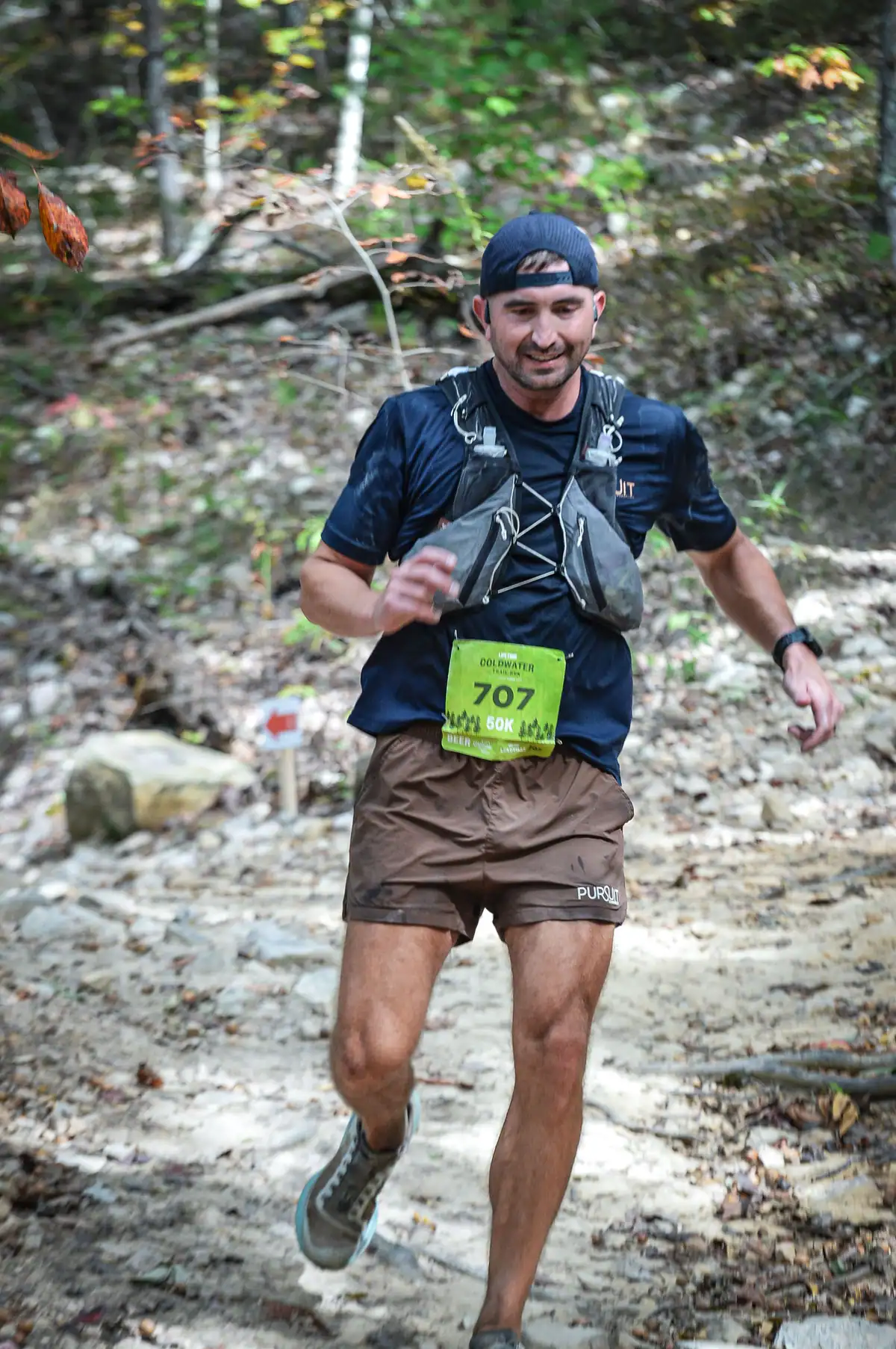
Adam on choosing a pursuit where failure is possible, and how narrative therapy turns hard miles into a new story.
Read the article
What ultrarunner Courtney Dauwalter's pain cave teaches about injury, setbacks, and staying competitive while getting healthier.
Read the article
What mental fitness means in counseling, and how rewriting the stories you live by builds steadiness under pressure.
Read the article
Why we approach counseling as mental fitness: the ongoing practice of building emotional strength over time.
Read the article
What elite athletes have shown us about pressure, rest, and asking for help.
Read the article
What baseball teaches about short memories, setbacks, and swinging again.
Read the article
What athletes and business leaders share about performance, pressure, and support.
Read the article
Questions coaches and parents can ask that build confidence, resilience, and an identity beyond the scoreboard.
Read the article
For parents of athletes 14 and up: warning signs, the car ride home, and when to get support.
Read the articleStart with a free 15-minute consult at our Fayetteville office, or online anywhere in Georgia, and we'll match you with the counselor who fits your sport and your goals.
Book a free consult →Free 15-minute consult · No commitment · Licensed in Georgia only · Meet our athlete team