

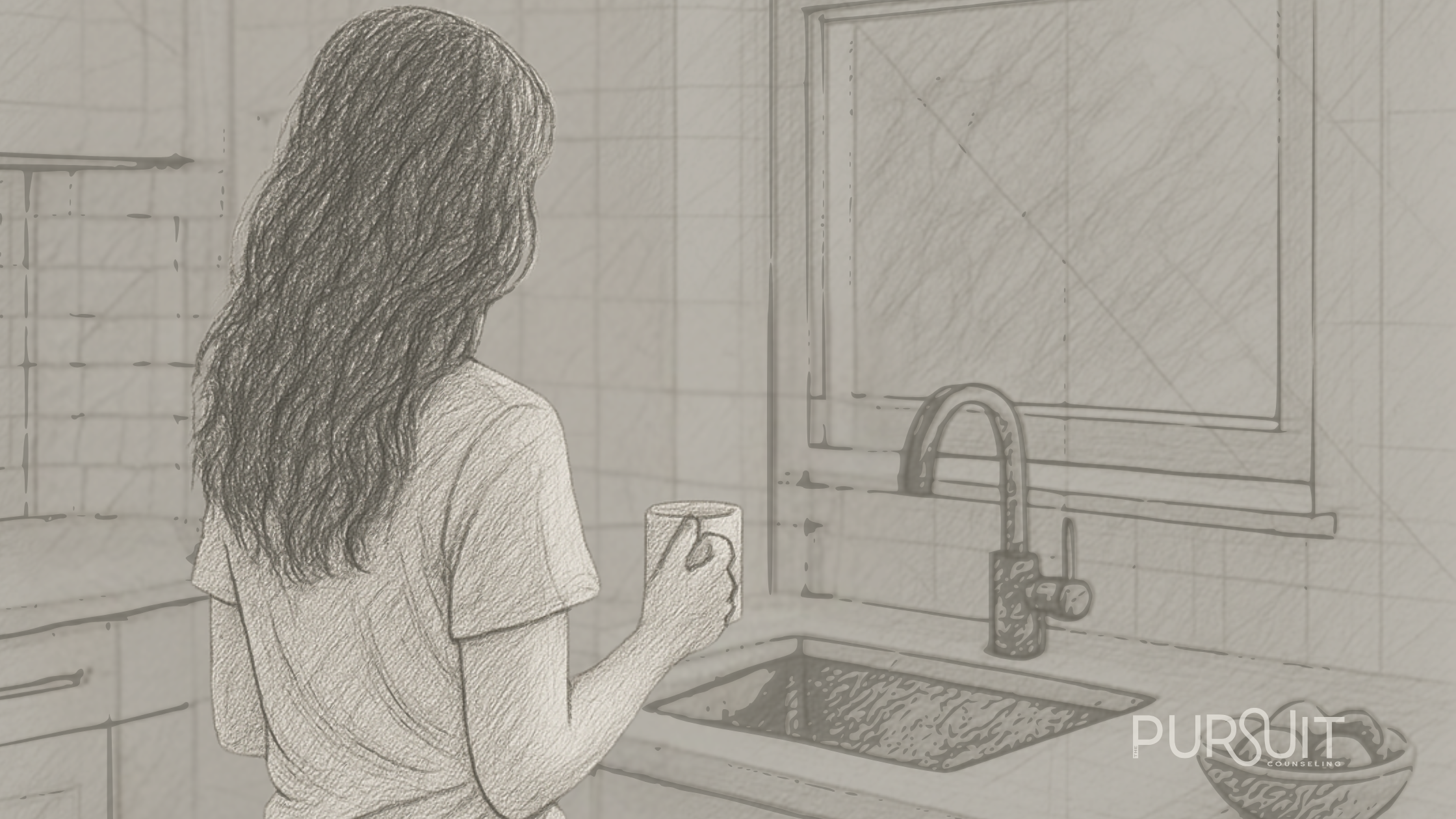
It’s a weeknight, and the house is finally quiet.
The kids are asleep. The dishes are done. The phone hasn’t buzzed in a while.
I sit on the couch and realize I haven’t had a real conversation with my spouse in days.
Not an argument.
Not logistics.
Not schedules, school emails, or bills.
A real conversation.
They are physically present—sometimes—but mentally elsewhere. Even when they’re home, work follows them. Emails at the dinner table. Calls taken in the garage. A laptop open late into the night.
And I tell myself the same thing I’ve told myself for years:
This is just a season.
Loving Someone the World Depends On
Being married to a high-level professional looks impressive from the outside.
They are respected. Relied upon. Trusted with decisions that matter. People admire their discipline, their drive, their leadership.
And I do too.
I know how hard they work. I know the pressure they carry. I see the weight they bring home, even when they don’t talk about it.
I don’t want to be another demand.
So I stay quiet.
I lower my expectations.
I tell myself they’re providing for us—and they are.
But over time, something inside me starts to ache.
When Loneliness Lives Inside the Marriage
It’s a strange kind of loneliness—being married and still feeling alone.
I miss being chosen.
Not financially.
Emotionally.
I miss feeling like I matter as much as their job does. Like my concerns carry the same urgency as their deadlines. Like our relationship is something they actively tend to—not something assumed to survive on its own.
When I try to bring it up, the conversations go sideways.
The Four Horsemen, From This Side of the Table
John Gottman calls them The Four Horsemen of Marriage. I didn’t know the term at the time—I just knew how it felt.
Criticism sounds like:
“You’re never really here.”
I don’t mean it as an attack. I mean it as a plea.
Defensiveness comes back as:
“I’m doing all of this for our family.”
And suddenly I feel guilty for even asking.
Contempt creeps in quietly. It’s not yelling—it’s the eye roll, the sarcasm, the feeling that my needs are unreasonable.
And eventually, there’s stonewalling.
Not slammed doors.
Silence.
Emotional distance.
We stop fighting because it feels pointless.
That’s when I know something is really wrong.
The Nice Guy I Married—and the Cost of Niceness
My spouse is a good person.
Responsible. Reliable. Steady.
They don’t yell. They don’t cheat. They don’t abandon us outright.
But No More Mr. Nice Guy describes something that finally made sense to me.
Nice Guys avoid conflict. They believe being agreeable and self-sacrificing will keep relationships safe.
What it looks like from my side:
- Needs left unspoken
- Emotions buried
- Important conversations postponed indefinitely
- A partner who works endlessly but won’t sit with discomfort
I don’t need perfection.
I need presence.
Providing Isn’t the Same as Participating
I know the intention was good.
They wanted to give us stability. Security. Opportunity.
But somewhere along the way, providing replaced participating.
The family became something to support—rather than something to engage with.
And when I finally say I’m unhappy, it feels like it comes out of nowhere to them.
To me, it’s been building for years.
The Moment I Started to Pull Away
There wasn’t a single breaking point.
No dramatic blow-up.
Just a slow shift.
I stopped reaching out because it hurt to keep missing them.
I stopped sharing because they were always tired.
I stopped hoping things would change—because hope started to feel naive.
By the time separation entered the conversation, I was already grieving the marriage.
If You’re Reading This as the High Achiever
If you recognize yourself here, please hear this:
Your success didn’t destroy your marriage.
Your absence did.
Not physical absence alone—but emotional absence.
I didn’t need you to work less.
I needed you to be with me when you were here.
And If You’re the One Who Feels Alone
You’re not asking for too much.
You’re asking for connection.
And that matters.
A Different Conversation Is Still Possible
Therapy isn’t about blaming one person.
It’s about learning how patterns form—and how to interrupt them.
It’s about understanding the Four Horsemen before resentment hardens.
It’s about helping Nice Guys learn that conflict doesn’t destroy relationships—avoidance does.
If you’re successful at work and losing your marriage at home, this is not a condemnation.
It’s an invitation.
To show up differently.
To learn skills you were never taught.
To stop assuming love will survive on good intentions alone.
Because from this side of the marriage, what hurts most isn’t that you work so hard.
It’s that we feel like we’re doing life alone—while being married to someone the world can always count on.
If relationship patterns like these feel familiar, you don’t have to sort through them alone. At The Pursuit Counseling, we work with individuals and couples in Fayetteville, Georgia and the surrounding South Metro Atlanta area who want healthier connection, clearer communication, and more secure relationships. Therapy isn’t about assigning blame — it’s about understanding what’s happening beneath the surface and learning new ways to respond. If you’re curious whether counseling could help, we invite you to reach out and start a conversation.