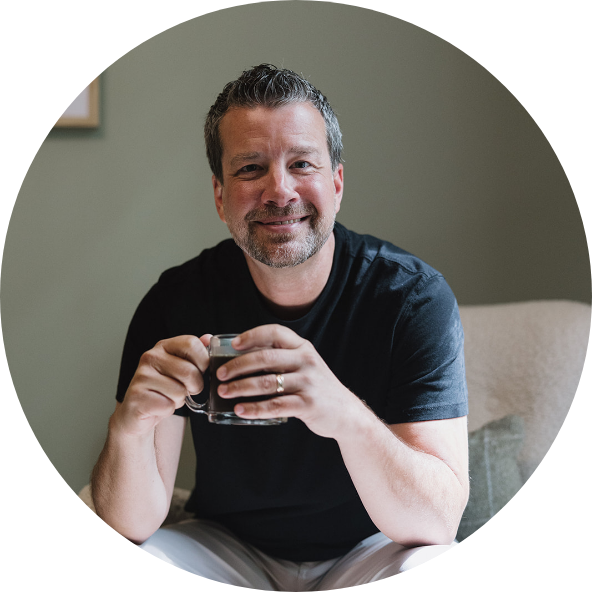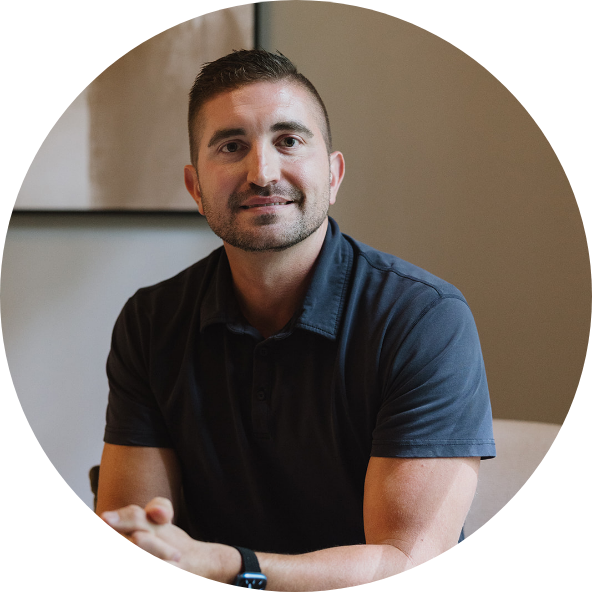

By: Adam Glendye LPC, CPCS, The Pursuit Counseling – Fayetteville, GA
Most couples who walk into my office aren’t lacking love.
They’re lacking something far more important—and far less talked about.
They’re lacking differentiation.
“We love each other… so why does this feel so hard?”
If you’re here, you may already feel it:
- You care deeply about your spouse… but feel frustrated or disconnected
- You keep having the same arguments over and over
- You feel pressure to change—or to get your partner to change
- You wonder why something that should feel natural feels so exhausting
This is where most marriage counseling conversations begin.
But where they should begin is here:
Are you building a fused relationship… or a differentiated one?
What Most People Get Wrong About Relationships
We’ve been sold a version of love that sounds good—but quietly creates dysfunction.
It sounds like:
- “You complete me.”
- “We should want the same things.”
- “If you loved me, you would…”
That’s not love.
That’s fusion.
What Is Fusion in Marriage?
Fusion is the belief that:
“Because we are married… you should be more like me.”
It shows up in subtle (and not-so-subtle) ways:
- “You should handle conflict the way I do.”
- “You should want sex when I want it.”
- “You should prioritize what I prioritize.”
- “You should meet my emotional needs exactly how I expect.”
Fusion is built on control, fear, and dependency—even when it’s wrapped in good intentions.
And here’s the problem:
👉 Fusion creates resentment.
👉 Fusion kills attraction.
👉 Fusion makes real intimacy impossible.
The Alternative: Differentiation
There’s another way to build a relationship.
A better way.
It’s called differentiation.
Differentiation is two whole people standing on their own two feet—and choosing each other anyway.
Let me say it more plainly:
- I don’t own her.
- She doesn’t own me.
We are about as different as two people can be—and neither of us is trying to change the other.
And yet…
My life is better because I’m with her.
Her life is better because she’s with me.
That’s differentiation.
Why Differentiation Is So Hard
Differentiation requires something most people were never taught:
The ability to tolerate discomfort without controlling your partner.
This is where Robert Glover’s No More Mr. Nice Guy becomes incredibly relevant.
Many men I work with have learned to:
- Avoid conflict
- Seek approval
- Hide their real thoughts and needs
Not because they’re weak—but because they’ve been conditioned to believe:
“If I keep her happy, everything will be okay.”
But it doesn’t work.
It leads to:
- Resentment
- Disconnection
- Passive-aggressive behavior
- Loss of attraction
Because real relationships don’t thrive on approval-seeking.
They thrive on truth.
What Gottman Got Right (and What’s Often Missed)
John Gottman’s research has transformed marriage counseling.
His work highlights:
- Communication patterns
- Conflict cycles
- Emotional bids for connection
And all of that matters.
But here’s what often gets missed:
👉 Skills don’t work if the self is unstable.
You can learn communication tools all day long…
…but if you:
- Can’t hold your ground
- Can’t express your needs clearly
- Collapse under your partner’s emotions
…those tools fall apart in real life.
Differentiation is what makes Gottman’s tools actually work.
Signs You May Be in a Fused Relationship
Ask yourself honestly:
- Do I feel responsible for my partner’s emotions?
- Do I avoid saying what I really think to keep the peace?
- Do I get anxious when my partner is upset with me?
- Do I try to “fix” or change my partner?
- Do I feel resentful even though I’m “doing everything right”?
If so, you’re not alone.
And you’re not broken.
But you are likely operating from fusion—not differentiation.
What Differentiated Relationships Actually Look Like
In a differentiated marriage:
- You can disagree without fearing disconnection
- You can express needs without guilt
- You don’t collapse under conflict
- You don’t try to control your partner
- You maintain your identity inside the relationship
And here’s the paradox:
-The less you try to control your partner…
-The more connection and attraction actually grow.
Why Traditional Marriage Counseling Falls Short
Many couples come to therapy hoping for:
- Better communication
- Less conflict
- More understanding
And those are good goals.
But if therapy only focuses on:
- Compromise
- Validation
- “Meeting in the middle”
…it can unintentionally reinforce fusion.
Because the goal isn’t to become more alike.
The goal is to become more solid as individuals.
Couples Intensive in Fayetteville, GA: A Different Approach
At The Pursuit Counseling in Fayetteville, GA, we take a different approach to marriage counseling.
Especially in our Couples Intensive, we help couples:
- Identify patterns of fusion
- Build emotional resilience
- Develop a stronger sense of self
- Learn how to stay grounded in conflict
- Create connection without losing individuality
This isn’t surface-level work.
It’s deep, focused, and transformative.
Why a Couples Intensive Works
Traditional weekly therapy can feel slow—especially when patterns are deeply ingrained.
A couples intensive allows you to:
- Step out of daily distractions
- Address core issues directly
- Make meaningful progress in a short period of time
- Rebuild your relationship on a stronger foundation
If you’ve felt stuck, this format can be a turning point.
You Don’t Have to Lose Yourself to Love Someone
This is the shift:
From:
- “I need you to be different so I can feel okay.”
To:
- “I can be okay—and choose you as you are.”
That’s differentiation.
And it changes everything.
Ready to Build a Healthier Relationship?
If this resonates with you, the next step isn’t more information.
It’s action.
Whether you’re:
- Struggling in your marriage
- Feeling disconnected in your relationship
- Or simply wanting something deeper and more sustainable
We can help.
Schedule a Marriage Counseling or Couples Intensive in Fayetteville, GA
at The Pursuit Counseling
Let’s help you build a relationship where:
- You don’t lose yourself
- You don’t try to control your partner
- And you actually experience the connection you’ve been wanting
Adam Glendye LPC, CPCS
The Pursuit Counseling
Fayetteville, GA