

(aka why “we’re not communicating” usually isn’t the real issue)
If you’ve been living under pressure for so long it feels normal… you’re not alone.
A lot of people walk into their relationship thinking they have a communication problem because the same fight keeps showing up. Different day, same argument. Same tension. Same “how are we here again?”
But most of the time, it’s not communication.
It’s an expectation gap.
That gap is the space between what you assumed would happen and what’s actually happening. And that space is where things start getting weird.
What it looks like in real life
You think you’re fighting about the dishes. Or the calendar. Or who didn’t text back. Or tone. Or the fact that you’re doing everything again.
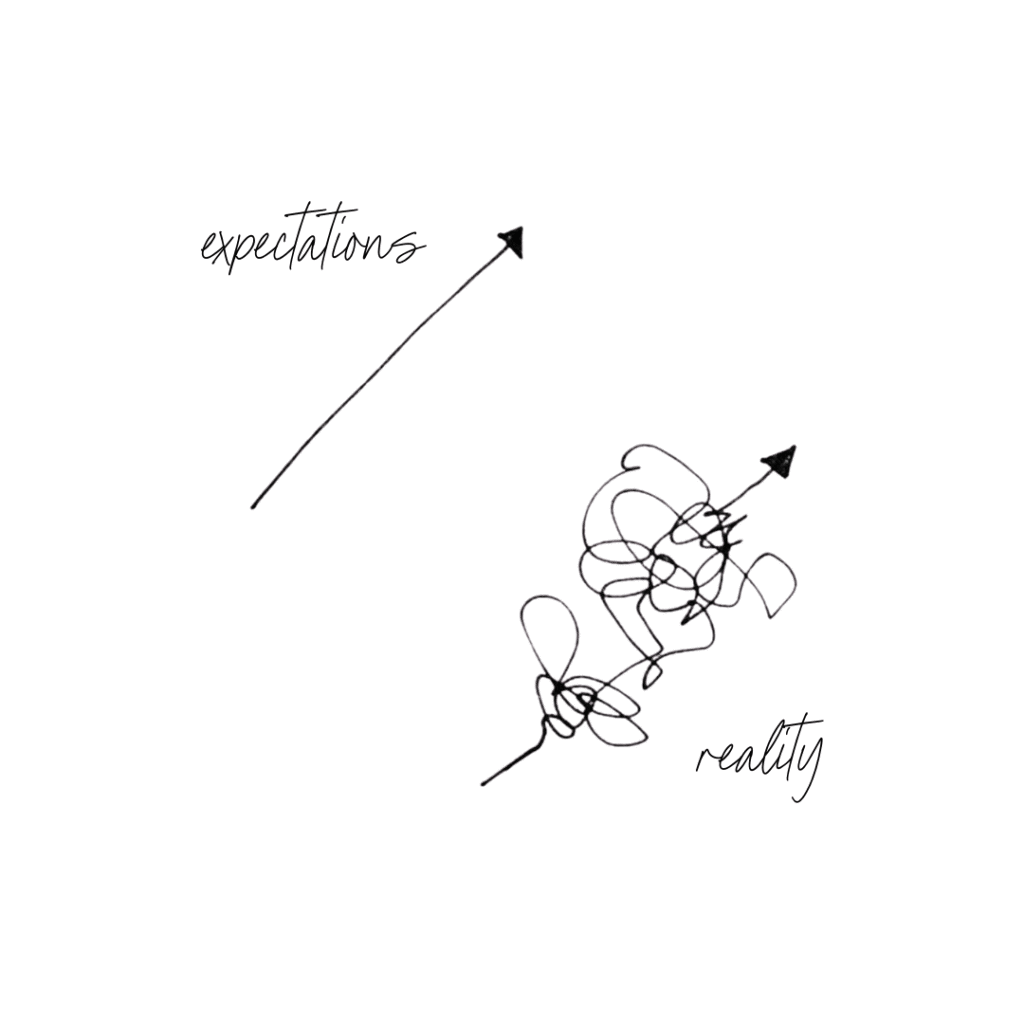 But underneath it, it’s usually this:
-
“I thought you would notice.”
-
“I thought you would just handle it.”
-
“I thought we were on the same page.”
-
“I thought you knew what I needed.”
And when that “thought” doesn’t match reality, it doesn’t just annoy you. It hits something deeper.
Because it starts feeling like:
-
you’re not a priority
-
you’re doing life alone
-
you have to manage everything to keep it from falling apart
That’s the gap doing its thing.
The hidden cost
Here’s what the expectation gap tends to create:
Resentment gets loud
Resentment usually isn’t about the task. It’s about what the task represents.
Like:
-
“If you cared, you’d help without me asking.”
-
“If I mattered, you’d remember.”
-
“If we were a team, I wouldn’t be the only one tracking everything.”
It’s not dramatic. It’s hum
an.
But it builds when expectations stay unspoken.
Anxiety gets sneaky
This is the part people don’t always connect.
When life feels unclear, your brain starts trying to predict everything so you don’t get disappointed again. You start overthinking, managing, reminding, controlling the details.
Not because you’re “too much.”
Because you’re trying to feel safe inside something that feels unstable.
Loneliness shows up — even in a full house
This is the one that hurts.
You can be surrounded by people and still feel alone when you’re carrying a ton that nobody really sees… and nobody knows what you’re expecting… and you don’t know how to say it without it turning into a fight.
That kind of loneliness doesn’t come from silence.
It comes from feeling like you’re doing life next to someone instead of with them.
The real issue: assumptions acting like agreements
A lot of couples are operating on silent rules.
One person has a whole internal list of “this is what a good partner does.”
The other person has a totally different list.
And neither list was ever discussed.
So you’re both frustrated… and nobody can quite explain why.
Because assumptions don’t work like agreements.

Agreements sound like:
-
“Here’s what I need.”
-
“Here’s what I can realistically do.”
-
“Here’s what we’re responsible for.”
-
“Here’s what happens when it doesn’t get done.”
Clean. Direct. No mind-reading required.
A quick reset question
The next time you feel the same fight coming, pause and ask yourself:
-
What was I expecting here?
-
Did I actually say that out loud, clearly?
-
What story am I telling myself about what it means that it didn’t happen?
-
What would a fair agreement look like—based on real capacity, not a fantasy version of life?
That last one matters. Because sometimes what we want is valid… but the way we’re expecting it to happen isn’t realistic without an actual plan.
You don’t need a perfect plan
You just need a clearer agreement—with yourself and the person you live alongside.
Not “how do we communicate better?”
But “what are we expecting, and have we agreed to it?”
That one question can change the whole climate in a house.
Start here: The Expectation Audit
If you keep having the same fight and you’re tired of talking in circles, the Expectation Audit helps you figure out:
-
what you’re expecting
-
what you’re assuming
-
what you’re not saying
-
what needs to become a real agreement
And if you want help turning that into real-life action, book a free consult: Book Here